AdBlue Delete (SCR Delete) Explained: What It Is and Why Car Owners Choose It
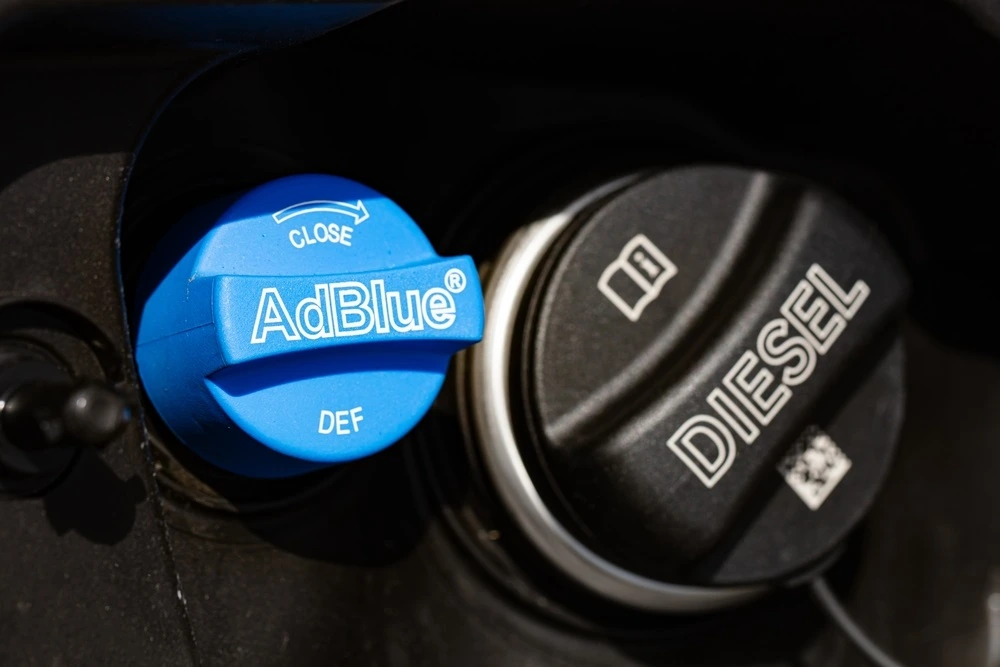
AdBlue delete, also known as SCR delete, is an ECU software modification used on diesel vehicles to disable monitoring and operation of the AdBlue / SCR system. When carried out properly, it removes SCR-related warnings, restart countdowns, and torque derates caused by SCR faults.
What Is an AdBlue Delete (SCR Delete)?
An AdBlue delete recalibrates the engine control unit so the vehicle no longer expects SCR system data. This means the ECU stops triggering fault strategies linked to AdBlue failures, such as persistent dashboard warnings, power reduction modes, and no-restart countdowns.
The vehicle can then operate without active AdBlue dosing or regular DEF top-ups, while core engine management remains unchanged unless additional tuning is requested.
How the AdBlue / SCR System Works
AdBlue (Diesel Exhaust Fluid) is a mixture of 32.5% urea and 67.5% deionised water. It is injected into the exhaust stream where the SCR catalyst converts nitrogen oxides (NOx) into nitrogen and water vapour.
Multiple sensors and control strategies are used to monitor this process. If any key part fails, such as the NOx sensor, AdBlue pump, heater, or injector, the ECU may apply limitations to protect emissions compliance logic.
Why Diesel Owners Consider AdBlue Delete
On higher-mileage vehicles, SCR systems can become expensive to maintain. Repeated failures in pumps, sensors, heaters, or crystallised lines can create a cycle of warning lights and repair bills.
Owners often consider AdBlue delete when they are stuck in recurring SCR faults and want a stable long-term solution that removes fault-driven interruptions in daily driving.
What an AdBlue Delete Changes
A proper SCR delete usually includes:
- Disabling SCR / AdBlue dosing logic in ECU software
- Removing NOx monitoring dependencies tied to SCR operation
- Eliminating SCR-related restart countdown logic
- Preventing torque limits triggered specifically by SCR faults
When done correctly, SCR-related dashboard faults stop returning and the vehicle no longer enters limp mode because of AdBlue subsystem issues.
Is AdBlue Delete Harmful to the Engine?
The SCR system sits in the exhaust after combustion, so deleting SCR logic does not directly change internal engine hardware operation on its own. Problems usually come from poor-quality ECU editing rather than the delete concept itself.
That is why model-specific calibration quality is critical. Generic or badly written files can cause unstable behaviour, persistent errors, or unrelated faults.
How the AdBlue Delete Process Works
- Diagnostics
A full health check confirms the issue is genuinely SCR-related. - ECU access
The original ECU file is read using appropriate tools and backed up safely. - Software calibration
SCR maps and monitoring logic are adjusted specifically for the ECU type. - Flashing
The revised file is written back to the ECU. - Testing
The vehicle is checked for stable operation, data consistency, and absence of SCR derate behaviour.
In specialist workflows, this can also be paired with a separate economy or drivability calibration, depending on vehicle condition and owner goals.
Conclusion
AdBlue delete (SCR delete) is a targeted ECU software solution for repeated SCR-related failures in diesel vehicles. Done professionally, it can restore reliability, remove recurring warning cycles, and prevent fault-driven power restrictions linked to the AdBlue system.
The quality of calibration is the key factor, so using proper diagnostics and experienced software work is essential for a clean, stable result.
If your diesel vehicle has AdBlue warnings, restart countdowns, torque restrictions, or recurring SCR fault codes, we can help with professional ECU diagnostics and software assessment.
We specialise in ECU software solutions and model-specific calibration work, including fault analysis, live data checks, and identifying the real cause of SCR-related problems before any programming is carried out.
Contact us to book a diagnostic inspection and discuss the right ECU software solution for your vehicle and application. You can also see full details on our AdBlue Delete Service page.